

Executive summary
Millions of Americans live paycheck to paycheck with no savings to fall back on.1
The absence of short-term savings does not just leave people exposed to unexpected expenses – it actively undermines their ability to build long-term wealth. Since the Federal Reserve began tracking the share of Americans unable to cover a $400 emergency in 2018, that figure has fallen only slightly, even as inflation has eroded what $400 can cover today.2 From 40% in 2018 to 37% now.
Meanwhile, the number of savers now reporting they would draw on their retirement savings in an emergency went up:3 from 33% in 2020 to 57% now.
Helping people build emergency savings is a critical first step toward addressing this savings crisis. The impact of emergency savings reaches far beyond covering a single unexpected expense.
It is the foundation for long-term financial well-being, helping individuals stay on track with long-term goals: avoiding costly debt, protecting and growing retirement savings, and building lasting financial security. ESI’s work has shown that emergency savings are strongly linked to higher retirement plan participation, with savers 70% more likely to contribute to retirement programs than non-savers.4 New ESI evidence continues to reinforce this relationship –in a new study, we show that 20% of emergency savers who were eligible for their employer's retirement plan began contributing to a 401(k) for the first time after initiating emergency savings.1The pattern holds across other dimensions of wealth building: accessible savings supports more consistent retail investing, protects education savings, and helps families stay on track through market volatility and unexpected shocks.5 6 7
Since its launch, ESI’s approach has centered on meeting people where they are. For most working Americans, that means the workplace. Commonwealth, a key ESI U.S. nonprofit partner, has worked to elevate awareness of this issue, research its causes and solutions, and collaborate with financial services providers and employers to pilot and scale solutions. By embedding savings features into the payroll systems, benefits programs, and financial apps employees already use and trust, ESI makes saving effortless at the moments people are most ready to act.
The value is clear across stakeholders. Financial insecurity is estimated to cost employers $250 billion in lost productivity and wages each year.8 Companies like UPS and Starbucks have seen emergency savings programs improve employee retention and drive stronger participation in their retirement plans. Financial service providers see the same value. From financial institutions like Truist to recordkeepers like Voya and payroll platforms like ADP, these features are products their customers want and actively use. The result is a model that works: employees build financial security, employers strengthen workforce outcomes, and providers deepen customer relationships.
ESI has also invested in research to deepen understanding of how emergency savings can support long-term wealth building, including The Investor Diaries, a joint effort by The BlackRock Foundation and Commonwealth. These insights help inform industry participants and policymakers on how to better support and sustain the next generation of investors.
ESI active savings projects between 2019-2026
people reached with a savings solution through ESI*
saved through ESI savings interventions3
*“Reach” is defined as an estimate of the number of people eligible for and with access to a savings solution under an ESI-supported project through December 2025.

To reach as many people as possible and drive meaningful engagement with new savings provisions, ESI focused on meeting people where they are, through channels that they trust, and at moments when they are most likely to engage. From the outset, ESI identified the workplace as the most powerful channel to scale emergency savings, and moved quickly to activate it, including with early partners like UPS, Levi’s, and Best Buy. Since then, the work of ESI has expanded beyond the workplace, reaching workers through direct-to-consumer fintech platforms, digital banking apps, and state savings programs. ESI and its partners use research, behavioral testing, and real-world pilots to put effective savings options in the hands of the employees and customers who need them most.
Together with a growing alliance of employers, payroll and retirement plan providers, financial institutions and fintechs, and by sharing insights with policymakers, ESI has:
Reached more than 22 million workers and enabled over $7.9 billion in new emergency savings.

Primarily benefiting people living on low and moderate incomes (LMI),4 ESI has shown that when workers have access to the right savings solutions at the right moments, they are able to build financial security that reaches far beyond a single emergency.
Transformed how the retirement industry approaches emergency savings.

Leading recordkeepers, including Voya, Fidelity, and T. Rowe Price, have brought emergency savings options to market, shifting the industry conversation from "if" to "when and how", and making short-term savings a standard part of the retirement plan experience.
Embedded emergency savings into the paychecks, retirement plans, and benefits packages millions of workers already use.

Through employers such as UPS, Starbucks, AutoNation, GXO, and The Fresh Market, and providers like ADP, Voya, Fidelity, SoFi, and Truist, ESI has driven the integration of accessible savings solutions into paychecks, 401(k) plans, and workplace bank accounts. Together, these solutions reach workers across industries, income levels, and geographies.
Demonstrated that emergency savings protects and strengthens retirement security.

ESI research and partner data confirm that workers with liquid savings are more likely to participate in retirement plans and less likely to take early-retirement withdrawals from them. At participating employers, 20% of emergency savers began contributing to a 401(k) for the first time after opening an emergency savings account.
Helped inform landmark federal policy.
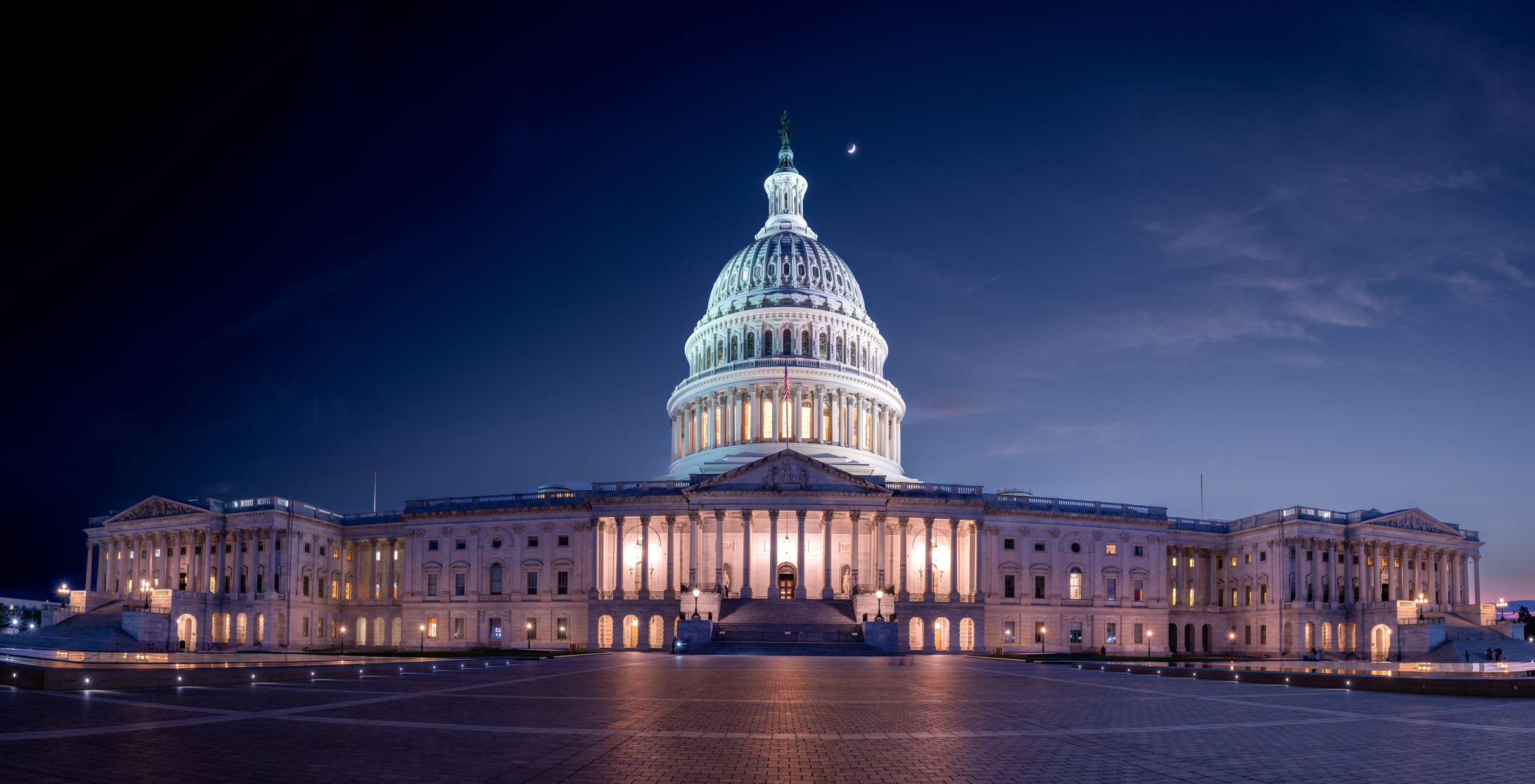
ESI research and evidence helped inform the creation of the SECURE 2.0 Act's emergency savings provisions, including the Pension-Linked Emergency Savings Account (PLESA) and the $1,000 Emergency Withdrawal provision. These provisions represent bipartisan recognition that short-term savings and retirement security work together.9
BlackRock and The BlackRock Foundation thank the following organizations for their leadership in expanding access to emergency savings:

Impact and Learnings
2019-2026